
Nano Banana Pro
Google's name for Gemini 3 Pro Image, released in November 2025. Google positions it for complex, professional work where accuracy matters more than speed. On ViNano it costs 80 credits per 1K image.
Tested on ViNano · November 13, 2026
Nano Banana 2 vs Pro, from our same-prompt tests: both spelled every word correctly in all four tests. Pro followed our layouts and wording most literally, which matters for labels and product shots, and costs 80 credits per 1K image. Nano Banana 2 costs 50, adds more styling of its own and was just as quick. Nano Banana 2.1 matched both on text for 30 credits, and 2 Lite (15) is fine for drafts but strays further from the prompt.
ViNano is an independent image editor that runs these models through their providers. We are not affiliated with Google. Every image on this page was made on vinano.ai with a paid test account, one run per model, and is shown unedited.
Try the prompts yourself| Your job | Pick | Why |
|---|---|---|
| Labels, packaging and product shots | Nano Banana Pro | Followed our label brief most closely and kept the letter case we typed. 80 credits per 1K image. |
| Everyday images and social posts | Nano Banana 2 | Correct text, rich styling, and on ViNano the Google Search option for real-world references. 50 credits per 1K image. |
| Posters and text-heavy designs on a budget | Nano Banana 2.1 | Spelled everything right in all four tests and made the strongest poster, for 30 credits per 1K image. |
| A logo or product from a reference image | Nano Banana 2 or 2.1 | All four kept our logo's shape and colors. Nano Banana 2 framed it largest; 2.1 did it for less. |
| Quick drafts and prompt testing | Nano Banana 2 Lite | 15 credits per image at 1K only. It adds props and details you did not ask for, so render the final version with another model. |
| Large prints at 4K | Nano Banana 2, Pro or 2.1 | Lite renders at 1K only. At 4K they cost 100, 150 and 70 credits. |
Google's name for Gemini 3 Pro Image, released in November 2025. Google positions it for complex, professional work where accuracy matters more than speed. On ViNano it costs 80 credits per 1K image.
Google's name for Gemini 3.1 Flash Image, released in February 2026. Google calls it the generalist workhorse of the family: high quality at lower latency and cost than Pro. On ViNano it costs 50 credits per 1K image and is the only one of the four with the Google Search option in our editor.
Released in October 2026. Google's model card says it is based on Gemini 3.6 Flash, and in Google's own side-by-side human ratings it scored highest for overall text-to-image preference: 1050 with thinking turned on, against 990 for Nano Banana 2 and 935 for Pro. On ViNano it costs 30 credits per 1K image.
Google's name for Gemini 3.1 Flash-Lite Image, released on June 30, 2026 as the fastest and most cost-efficient model in the family, aimed at quick drafts and high-volume work. On ViNano it renders 1K only and costs 15 credits per image.
We ran the same four prompts on all four models: a product label, a poster with several lines of text, a logo placed from a reference image, and a busy indoor scene. Every image was made at 1K and 1:1, one run each, with no retries or edits. Time is from clicking Generate to the image appearing; credits are what the account was charged.
Prompt: A studio product photo of a matte black coffee bag standing on a light oak table. The front label reads 'ViNano Roasters' in large cream serif letters, with a smaller line 'Single Origin · Ethiopia · 250 g' below it. Soft window light from the left, shallow depth of field, photorealistic.
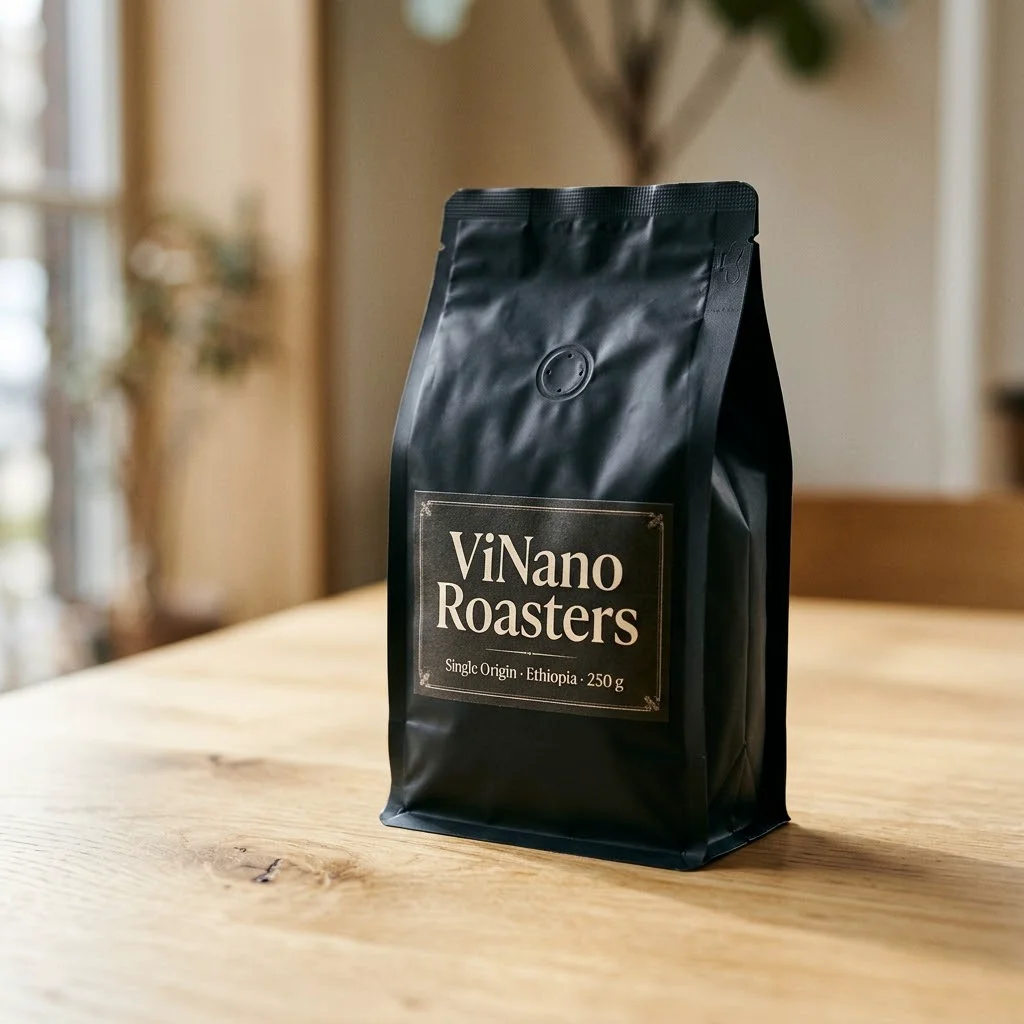
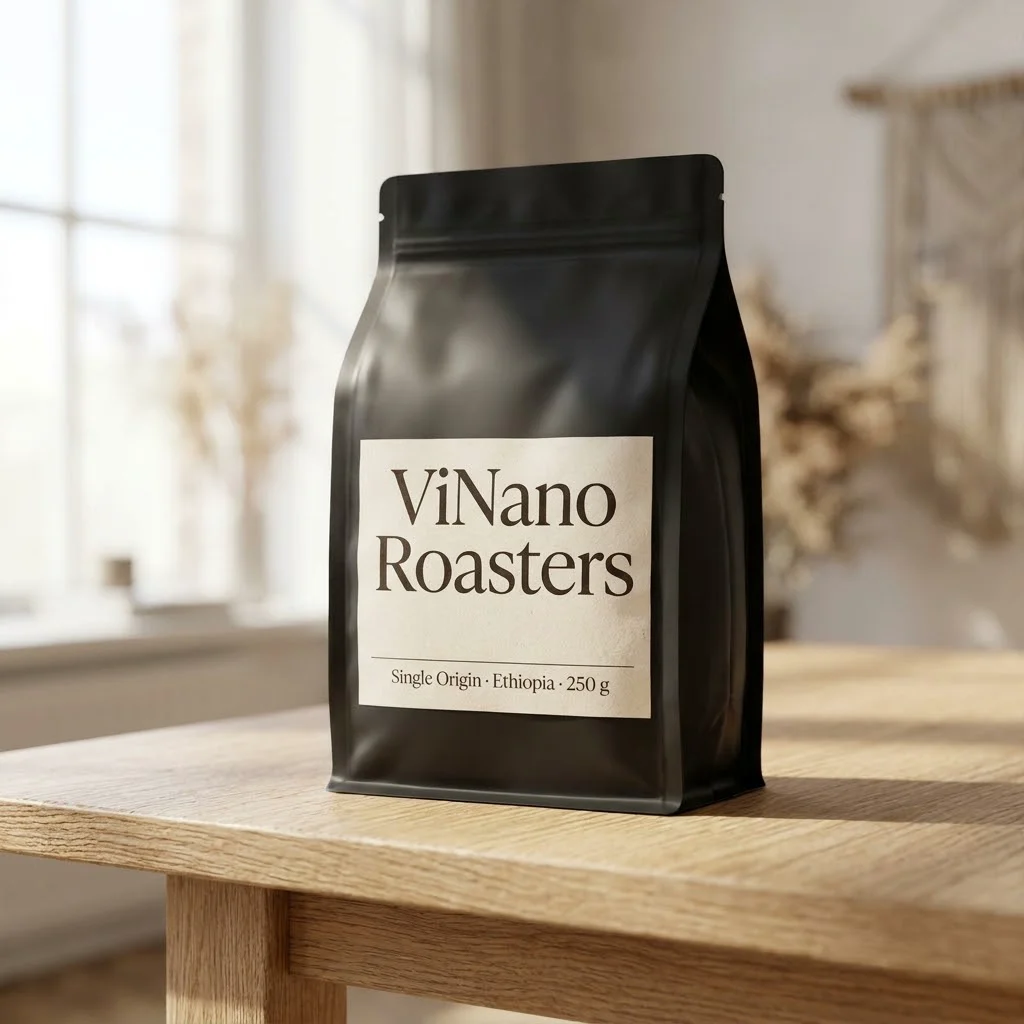
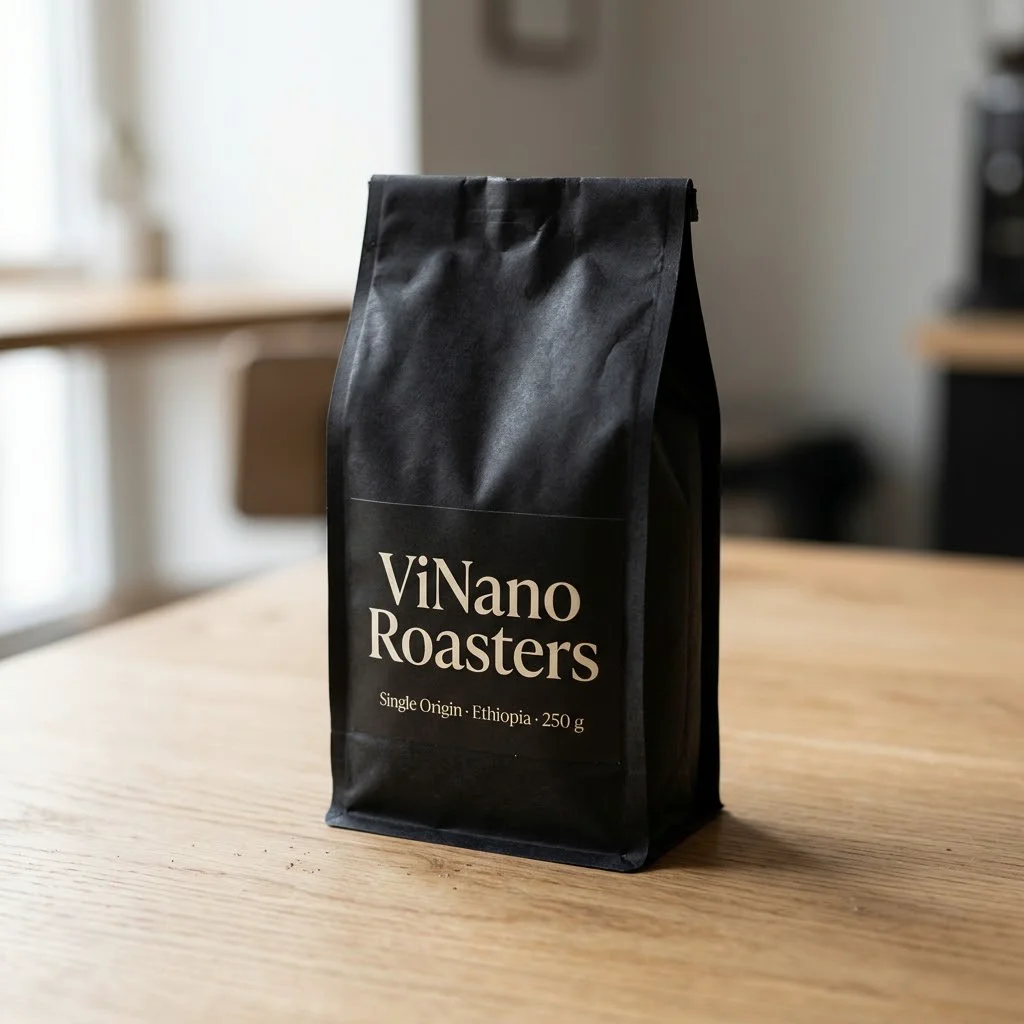
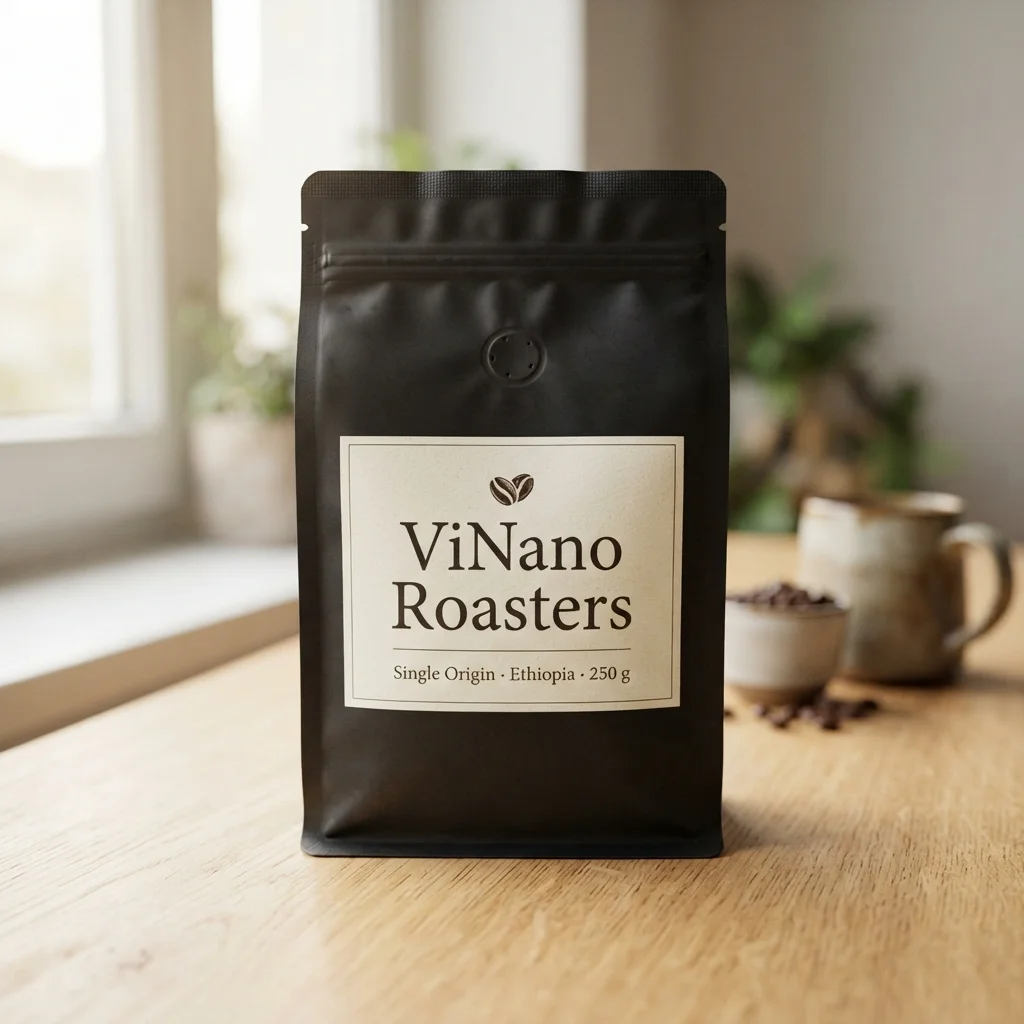
All four spelled both lines correctly, including the middle dots and "250 g". Pro gave the cleanest result: a plain cream label with sharp serif type and a natural table, closest to the brief. Nano Banana 2 added its own styling (a dark label with a gold frame and a degassing valve). Nano Banana 2.1 printed the text straight onto a fold-top bag instead of a separate label. 2 Lite added props the prompt did not ask for (a mug and loose beans) and a small bean icon.
Try this promptPrompt: A minimalist event poster for a design meetup. Headline at the top in bold letters: 'Make Pictures Talk'. Below it, three lines of small text: 'ViNano Design Night', 'Friday, 7 PM', 'vinano.ai/events'. Orange and cream color blocks, a flat illustration of a camera in the center, clean Swiss typography.
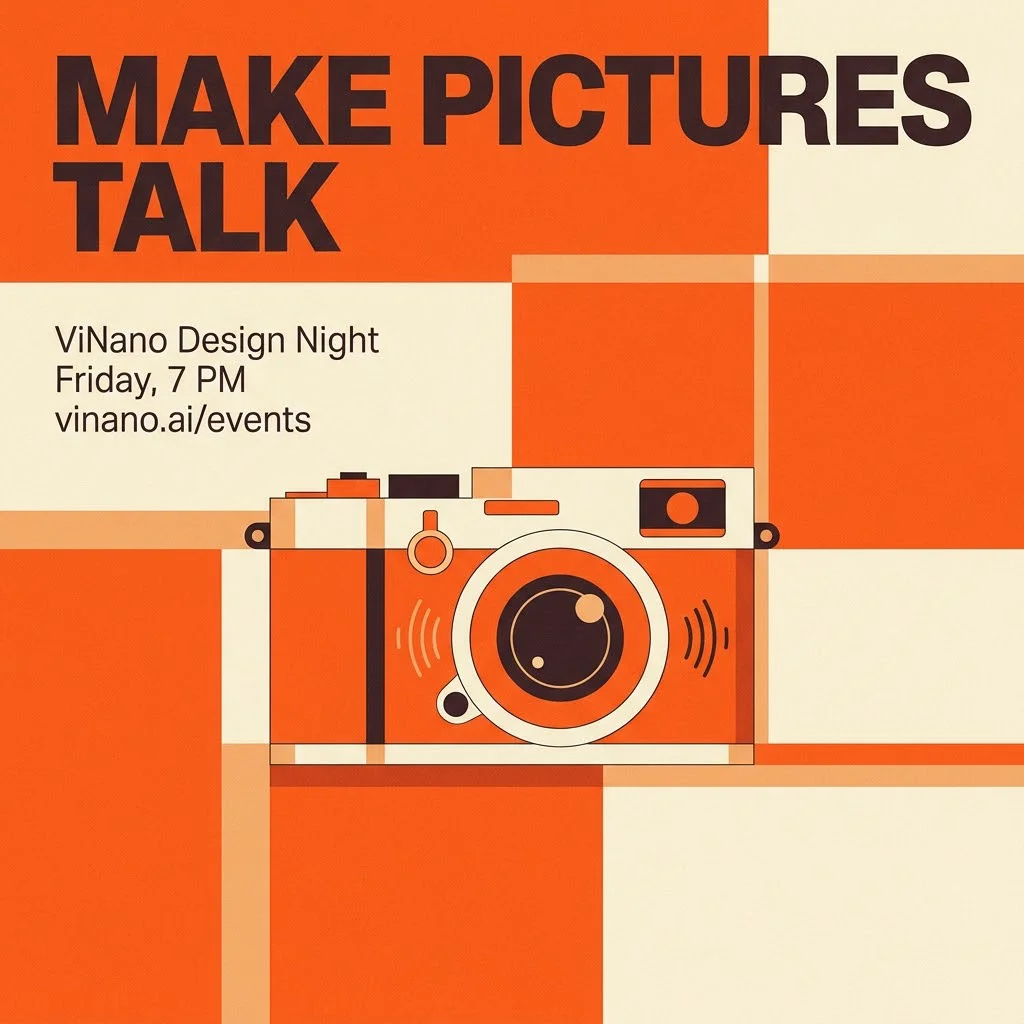

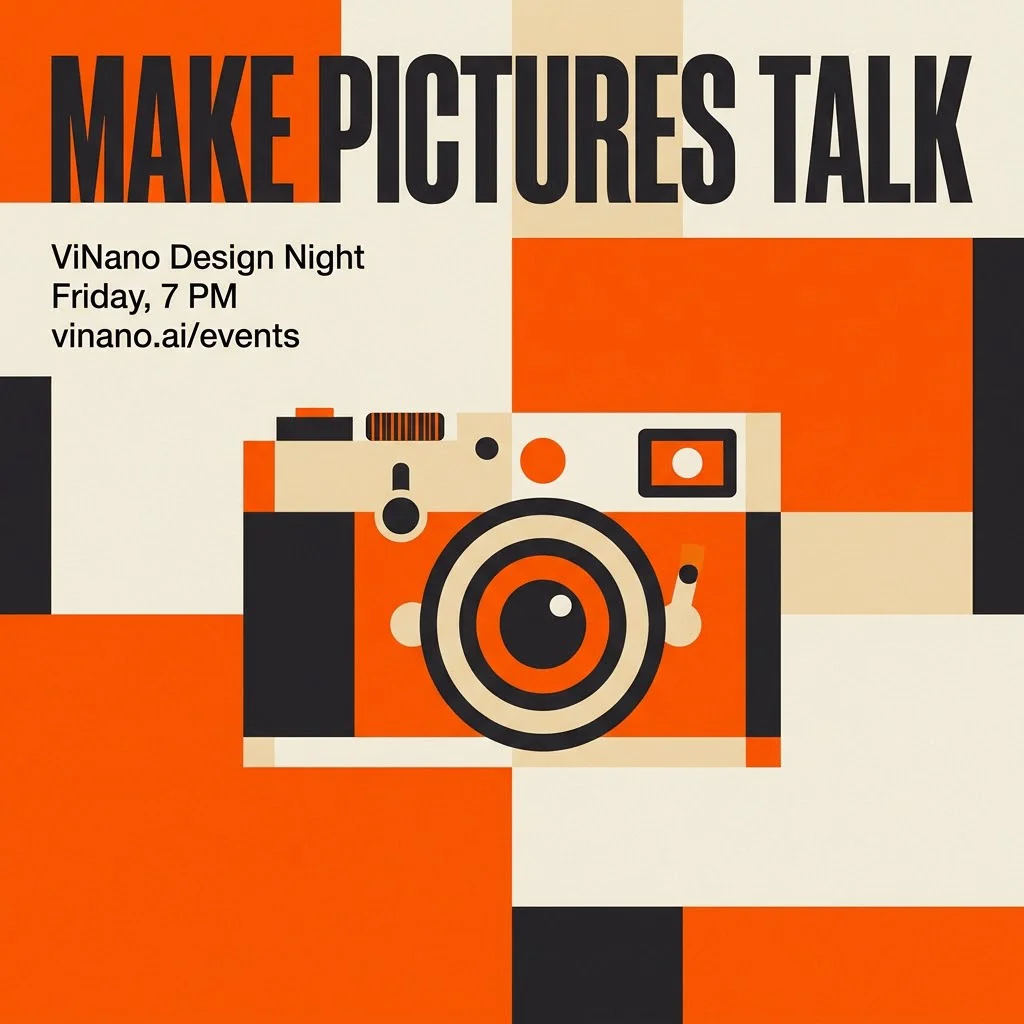
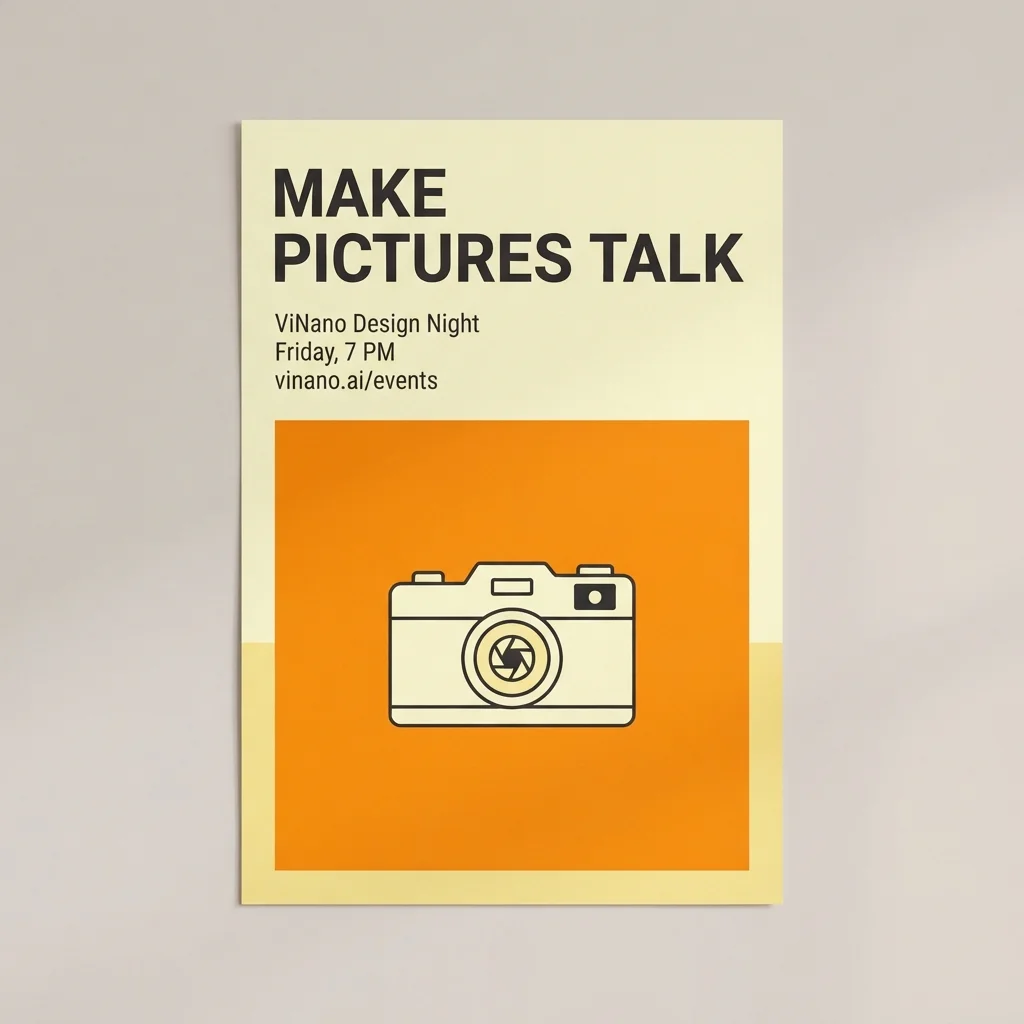
Again every model got every word right, including the URL. Pro was the most literal: it kept the headline in the same letter case we typed and set all lines in one clean sans-serif. Nano Banana 2 and 2.1 switched the headline to bold capitals and filled the whole frame with color blocks; 2.1's condensed headline and black accents looked the most like a finished print poster. 2 Lite drew the poster as a sheet hanging on a wall, so the design itself fills less of the image and the small text is harder to read.
Try this promptPrompt: Put the round logo from the reference image on the chest of a white cotton hoodie worn by a young woman walking down a quiet street at golden hour. Keep the logo's shape and colors exactly as in the reference. Photorealistic, 50mm lens, no other logos or text.
Reference: the round ViNano logo, a pink-to-yellow gradient circle with a white curved stroke, uploaded as one reference image (image to image mode).
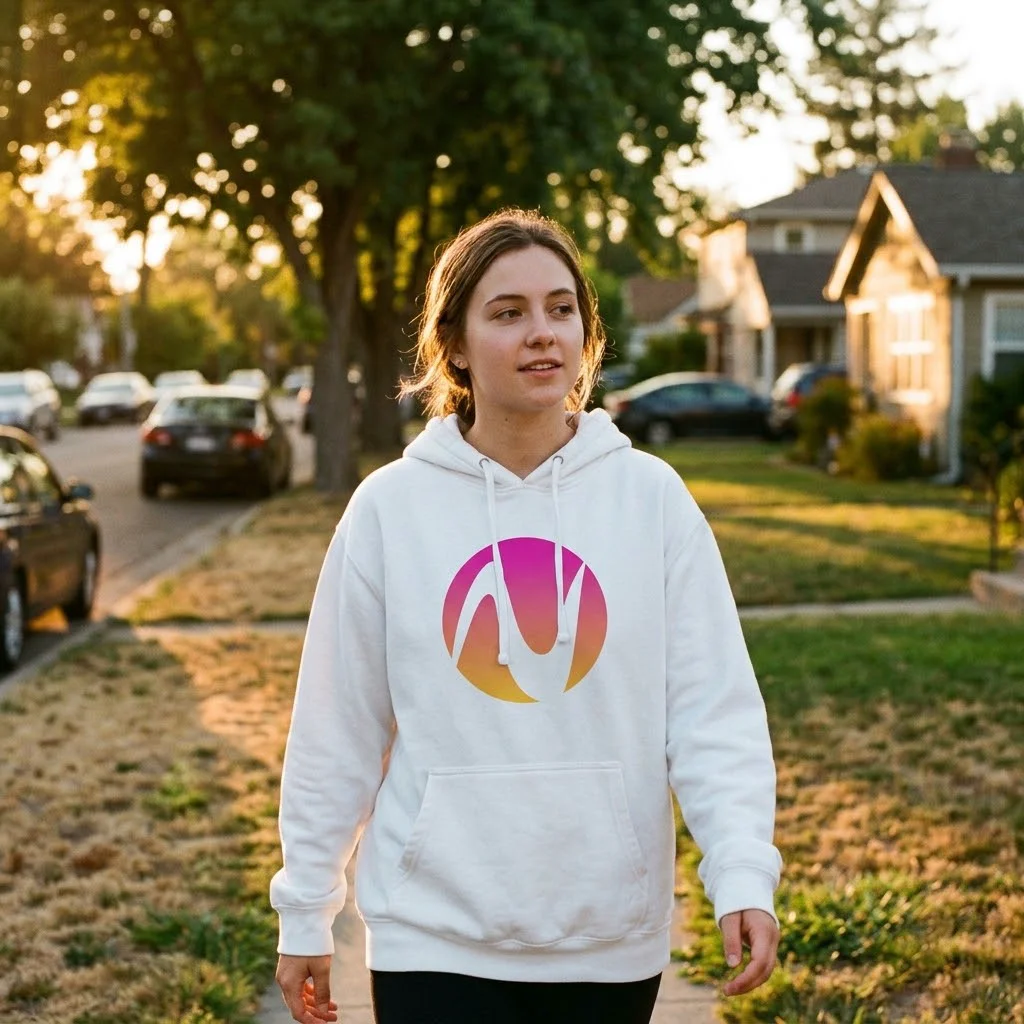
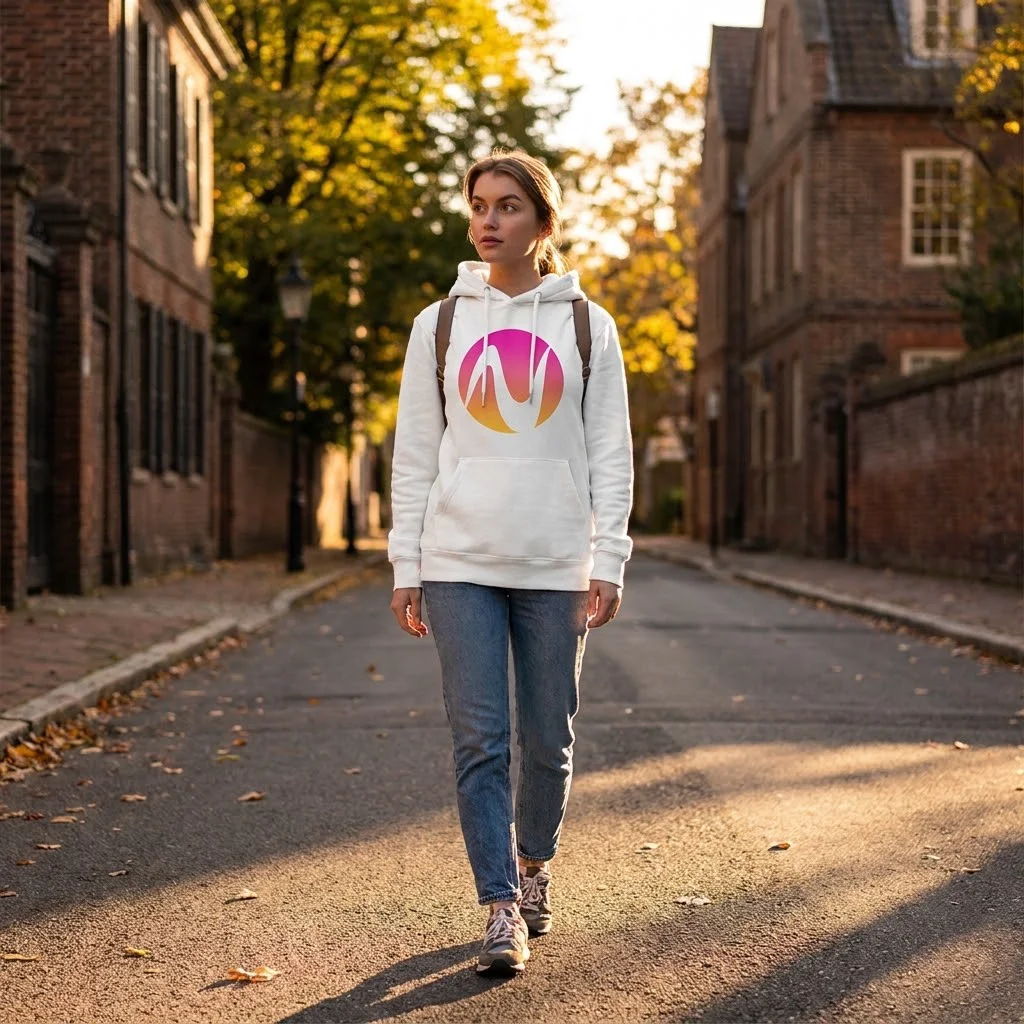
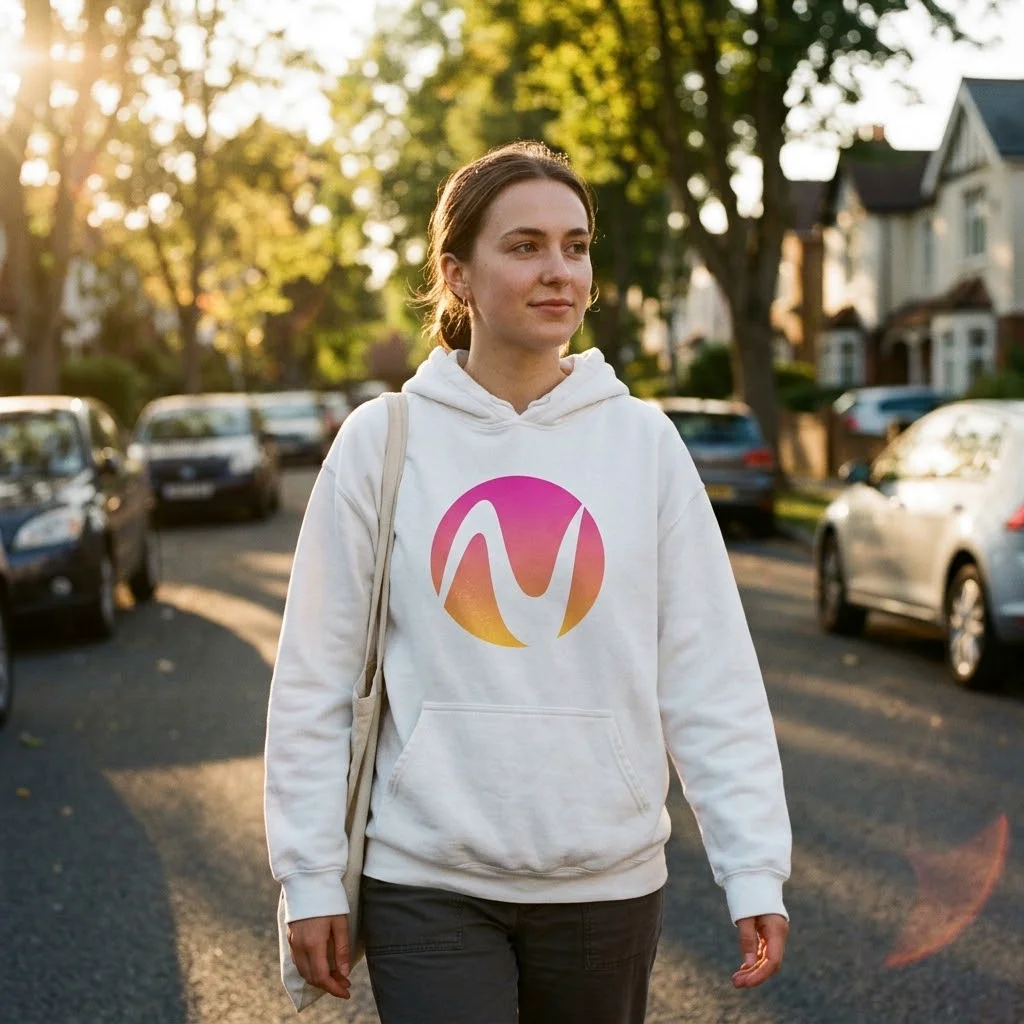
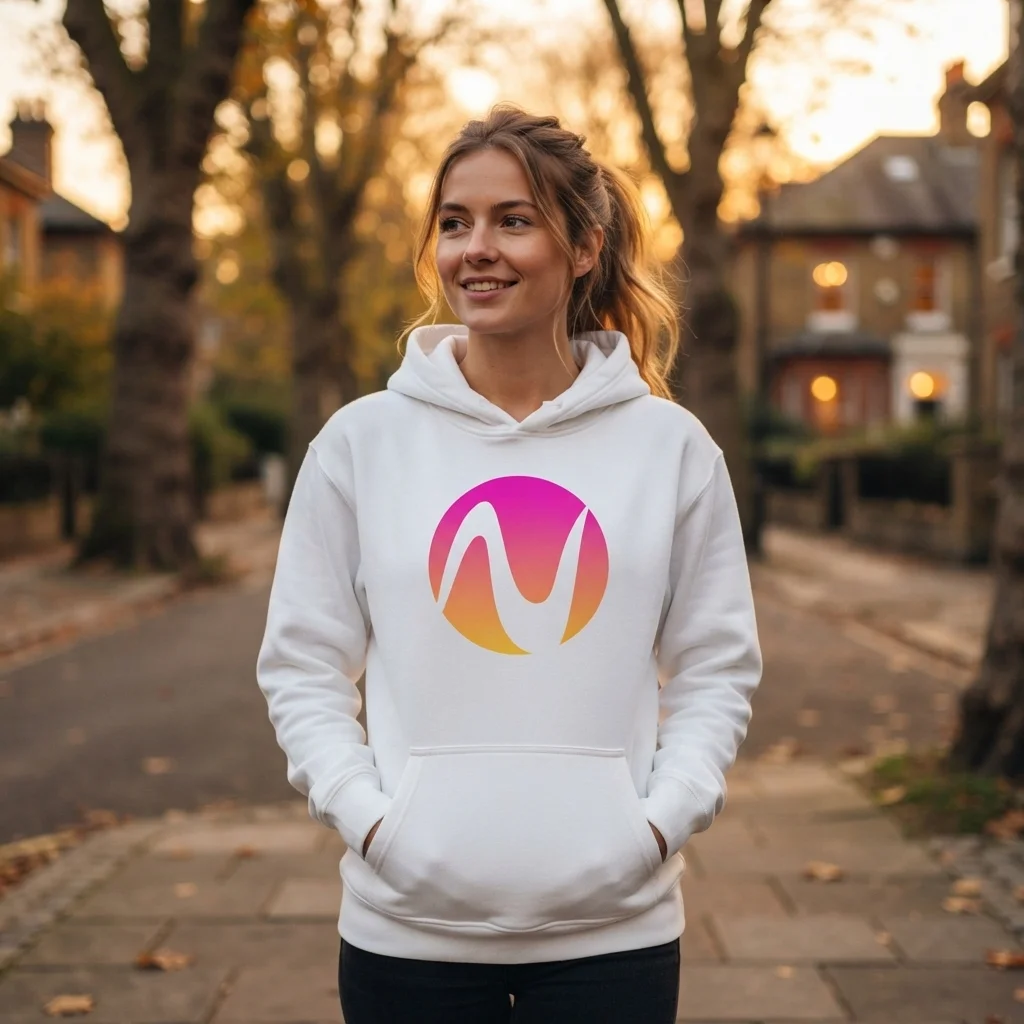
This was the closest test. All four kept the circle, the pink-to-yellow gradient and the white curved stroke, and none added extra logos or text. The differences were in framing: Nano Banana 2 gave the largest, clearest logo, with the hoodie strings falling naturally across it; Pro chose a full-length shot on a brick street, so the logo is smaller in the frame; Nano Banana 2.1 added a tote bag and a soft lens flare; 2 Lite produced a convincing portrait but took 72 seconds, the slowest run of the whole test.
Try this promptPrompt: A cozy reading corner at night: a green velvet armchair, a brass floor lamp casting warm light, a wooden side table with a white ceramic mug printed with the word 'ViNano', an open hardcover book, an orange cat asleep on a knitted blanket, rain on the window behind. Photorealistic interior photo.
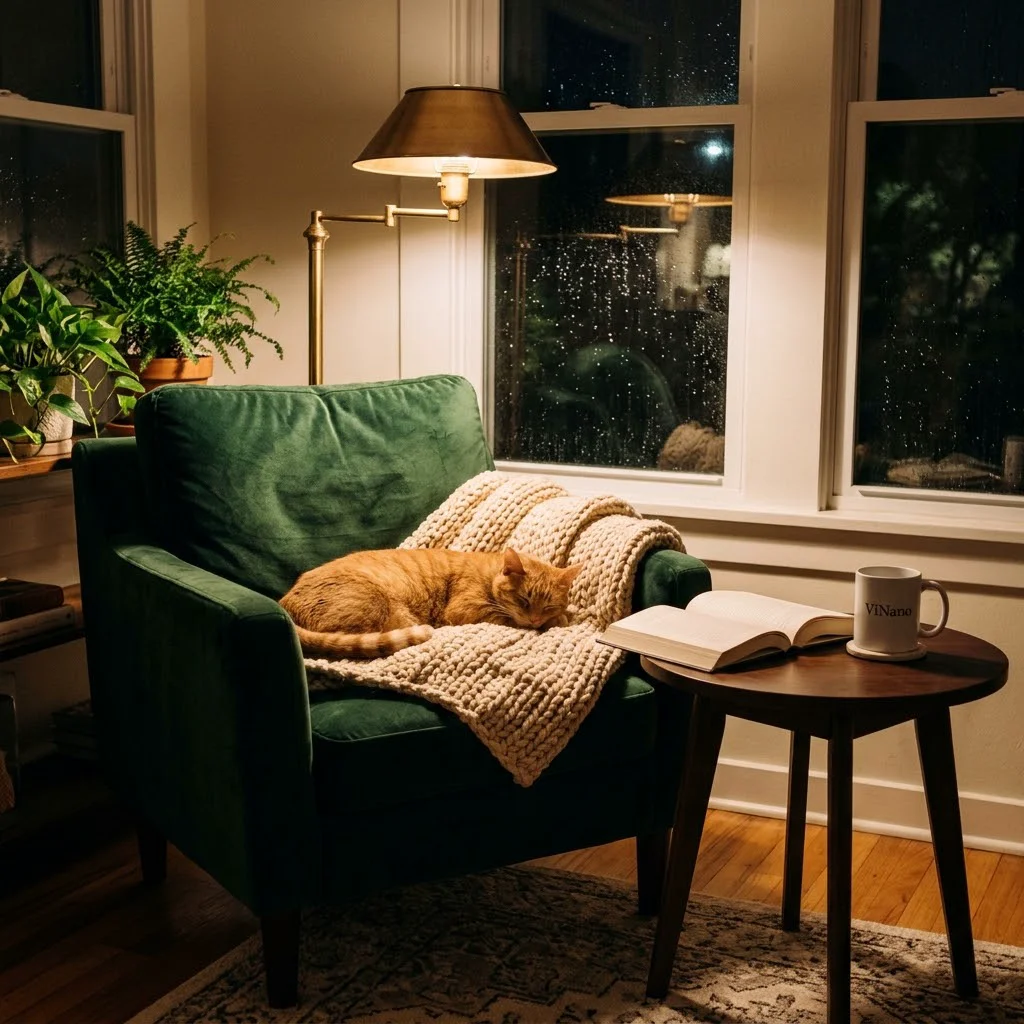
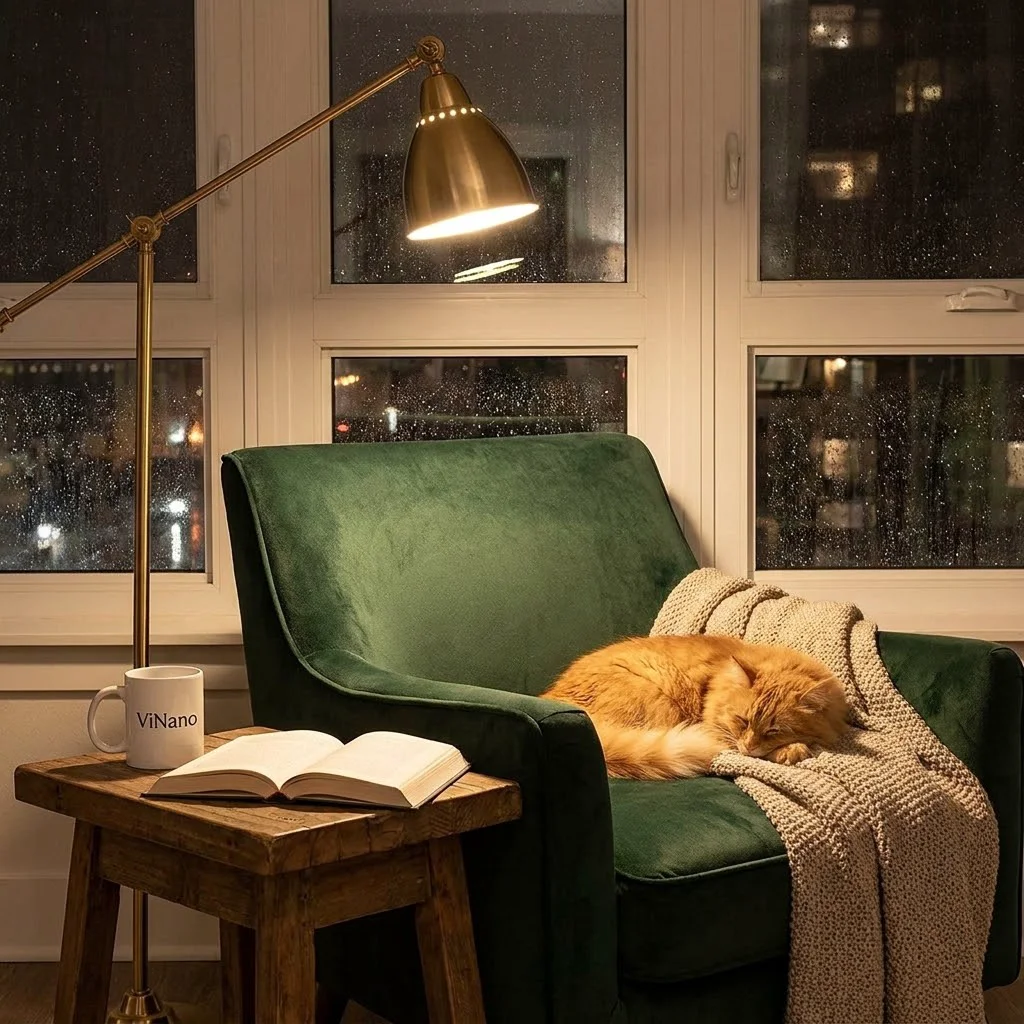
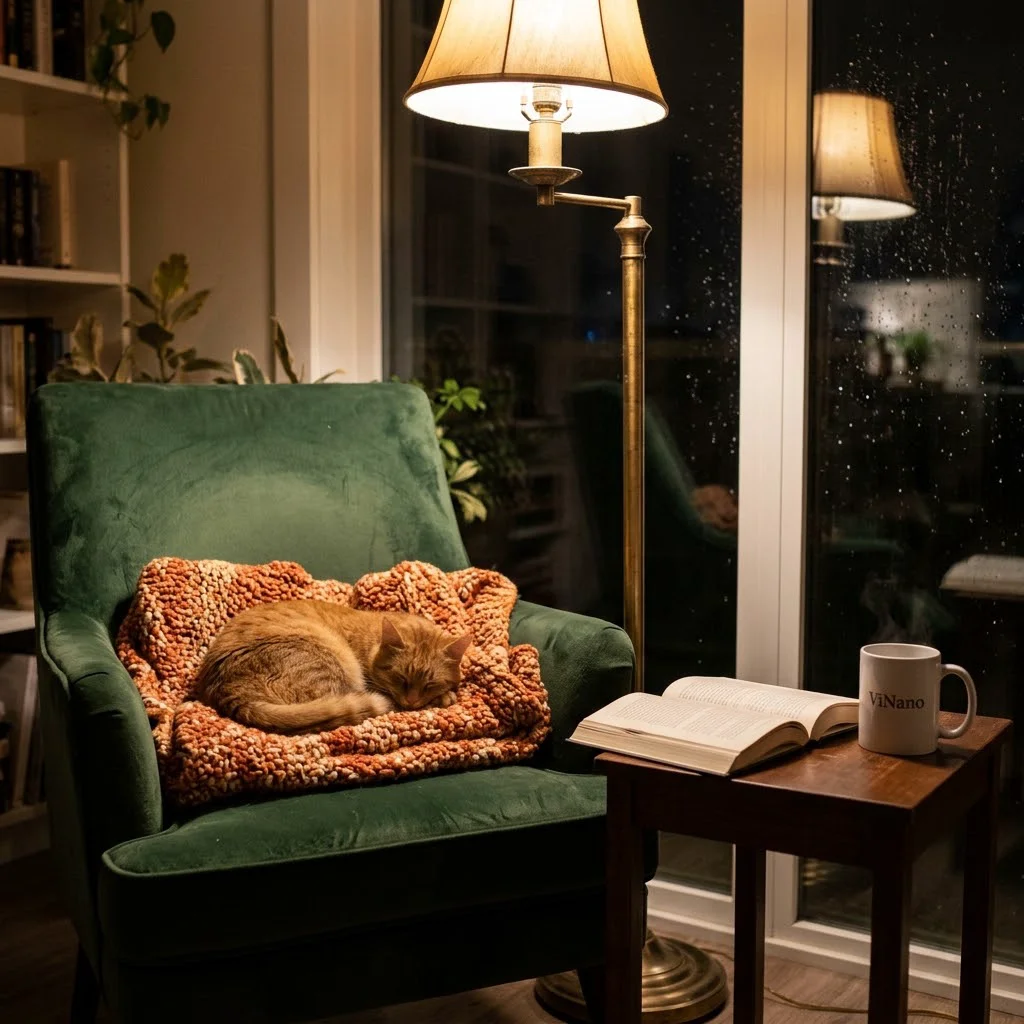

All four placed every object we listed (armchair, brass lamp, side table, open book, sleeping cat on a knitted blanket, rain on the window) and all four spelled ViNano correctly on the mug. Pro had the sharpest detail, from the cat's fur to the raindrops with city lights behind, and the tightest framing. Nano Banana 2 added houseplants and a rug, and 2.1 a bookshelf and steam rising from the mug; both look natural. 2 Lite added the most extras, including reading glasses and a book whose printed text turns into nonsense up close.
Try this promptHow we tested: vinano.ai image editor, paid test account, November 13, 2026. Text to image for the label, poster and scene; image to image with one reference for the logo test. 1K, 1:1, default settings, first result kept. Times include queueing on our side and will change with load. One run per model is a sample, not a benchmark: run a prompt twice and you will get a different image.
Credit prices below are read from our live pricing when this page loads, so they stay current if prices change. Google names and release dates come from Google's announcements and model cards.
| Model | Google name | Released | Credits at 1K (paid) | Credits at 2K (paid) | Credits at 4K (paid) | Free account | Google Search option |
|---|---|---|---|---|---|---|---|
| Nano Banana 2 | Gemini 3.1 Flash Image | Feb 2026 | 50 | 70 | 100 | Paid account needed | Yes |
| Nano Banana Pro | Gemini 3 Pro Image | Nov 2025 | 80 | 100 | 150 | Paid account needed | No |
| Nano Banana 2.1 | Based on Gemini 3.6 Flash | Oct 2026 | 30 | 50 | 70 | Paid account needed | No |
| Nano Banana 2 Lite | Gemini 3.1 Flash-Lite Image | Jun 2026 | 15 | — | — | Paid account needed | No |
All four accept up to 12 reference images in the ViNano editor and work for both text to image and image to image. A dash means that resolution is not offered for the model. See pricing for credit packs and plans.
The editor opens on Nano Banana 2. Paste one of the prompts above, generate, then switch the model and run it again to compare on your own subject.
Content generated on this platform is produced by artificial intelligence models and does not represent the platform's position. [Disclaimer]. [Privacy Policy].
Nano Banana 2 Lite costs 15 credits per image on ViNano, against 50 for Nano Banana 2, and it only renders at 1K. Text was not its weak spot: it spelled every word correctly in all four tests, including the poster's small lines and the name on the mug.
Where it fell behind was following the brief. It added a mug and coffee beans to the label shot, drew the poster as a sheet hanging on a wall, and filled the reading corner with extra props. Google rates Lite as its fastest image model, but on ViNano it was the slowest of the four in our runs (44 to 72 seconds, against 32 to 48 for Nano Banana 2), because times here include the provider's queue.
Use Lite to try a prompt idea cheaply, then render the version you keep with Nano Banana 2 or 2.1.
Nano Banana 2.1 is the newest model in this comparison. On ViNano it costs 30 credits at 1K and 70 at 4K, less than both Nano Banana 2 (50 and 100) and Pro (80 and 150).
It held up in every test: correct text on the label, poster and mug, an accurate logo, and the most finished-looking poster of the four. Its weak point was taking liberties with the brief: in the label test it printed the brand straight onto the bag instead of adding the separate label we described.
Google's own model card lists small text as a known weakness, often blurry at 1K, so check fine print before you use an image. If you want strong results for the lowest price among the three main models, start with 2.1; if the result must match a written brief closely, Pro is still the safer choice.
Not across the board. In our tests both spelled every word correctly. Pro followed our layout and letter case more literally and gave cleaner product shots, while Nano Banana 2 added more styling of its own. Google's own human ratings even put Nano Banana 2 ahead of Pro on overall text-to-image preference (990 against 935). On ViNano, Pro costs 80 credits per 1K image and Nano Banana 2 costs 50, so Pro is worth it when the result must match a brief, and Nano Banana 2 is the better value for everyday images.
Nano Banana 2 Lite, at 15 credits per image on ViNano, then Nano Banana 2.1 at 30, Nano Banana 2 at 50 and Pro at 80 (all at 1K on a paid account). Lite renders at 1K only; the other three go up to 4K.
Not on ViNano: all four models on this page need a paid account (any credit pack or subscription plan). New accounts get sign-up credits that work with the original Nano Banana model and with ViNano Image, so you can try image to image editing before you pay. See pricing for packs and plans.
Up to 12 per generation in the ViNano editor, with any of the four models. Reference images keep a logo, product or face consistent, as in the logo test above.
No. Nano Banana models make and edit still images. To animate an image you made with them, use photo to video.
Sources: Nano Banana 2.1 model card (Google DeepMind) · Nano Banana 2 Lite announcement (Google)